Why Family-Run Assisted Living Offers a Different Kind of Care
When my aunt needed to move into assisted living a few years ago, our family toured the usual places. They were clean, efficient, and professional, but something felt off. The staff rotated constantly, the decision-making felt distant, and every interaction seemed scripted. It was only after we discovered a small, family-run assisted living home that we understood what had been missing: a genuine sense of belonging.
That experience changed how I think about care options for older adults. In the St Louis metro area, where I have spent years helping families navigate senior living choices, the difference between a corporate facility and a family-run operation is not just about size. It is about philosophy, accountability, and the kind of everyday attention that cannot be written into a policy manual.
What Defines Family-Run Assisted Living
At its simplest, family-run assisted living means the people who own or operate the home live on site or visit daily, and they are directly involved in care. These are not investors looking at spreadsheets from a regional office. They are people who cook the meals, help with medication management, and sit with residents during hard afternoons. The model is inherently small-scale, typically housing six to twelve residents in a single home, often in a cottage-style setting that feels less like a facility and more like a real neighborhood.
This arrangement creates a level of transparency that larger operations struggle to match. When the owner is in the kitchen every morning, you can see how the food is prepared. When the family who runs the home is present during evening hours, you know exactly who is supervising your loved one. There is no corporate layer to buffer the truth. If something goes wrong, you talk to the person responsible, not a customer service line.

The St Louis Metro Advantage
St Louis has a strong tradition of family-focused businesses, and assisted living is no exception. Throughout the St Louis metro area, families have converted older homes into warm, person-centered care environments. Many of these homes emphasize dementia care and memory care, recognizing that residents with Alzheimer's or other cognitive changes need consistency and familiarity more than anything else.
A family-run assisted living home in St Louis often works closely with local resources like the Alzheimer's Association to train staff and adapt programming. The result is care that stays current without losing its personal touch. I have seen homes where the owner knows every resident's life story, their favorite music, and the names of their grandchildren. That kind of attention cannot be replicated by a chain.
Small Scale, Big Impact
The small-scale nature of these homes means they can offer services that larger facilities cannot. Respite care, for example, becomes more flexible when the team is small and the schedule is adaptable. A family-run home might take a resident for a two-week stay while a primary caregiver recovers from surgery, without requiring a long contract. Hospice integration also tends to be smoother, because the care team already has a close relationship with the resident and can coordinate with hospice providers on short notice.
Medication management in a family-run setting is often more reliable for the same reason. There is less turnover among staff, so fewer handoffs and fewer chances for error. The person who administers morning medications is the same person who will be there at dinner. That continuity matters, especially for residents with complex regimens.
Transparency and Trust in Care Options
One of the hardest parts of choosing assisted living is knowing what you are actually getting. Corporate brochures can be beautiful, but they rarely show the daily reality. Family-run assisted living homes tend to be more transparent by necessity. They cannot hide behind marketing budgets or corporate branding. Their reputation is built on word of mouth within the St Louis community, and they know that one unhappy family can damage years of good work.
When I help families evaluate care options, I always encourage them to visit at mealtime, to stay for an hour, and to talk with residents if possible. In a family-run home, that is usually welcomed. The owner might offer you a cup of coffee and sit down to chat. In a larger facility, you might get a scheduled tour that avoids the chaotic parts of the day. The difference in openness is often revealing.
Memory Care in a Homelike Setting
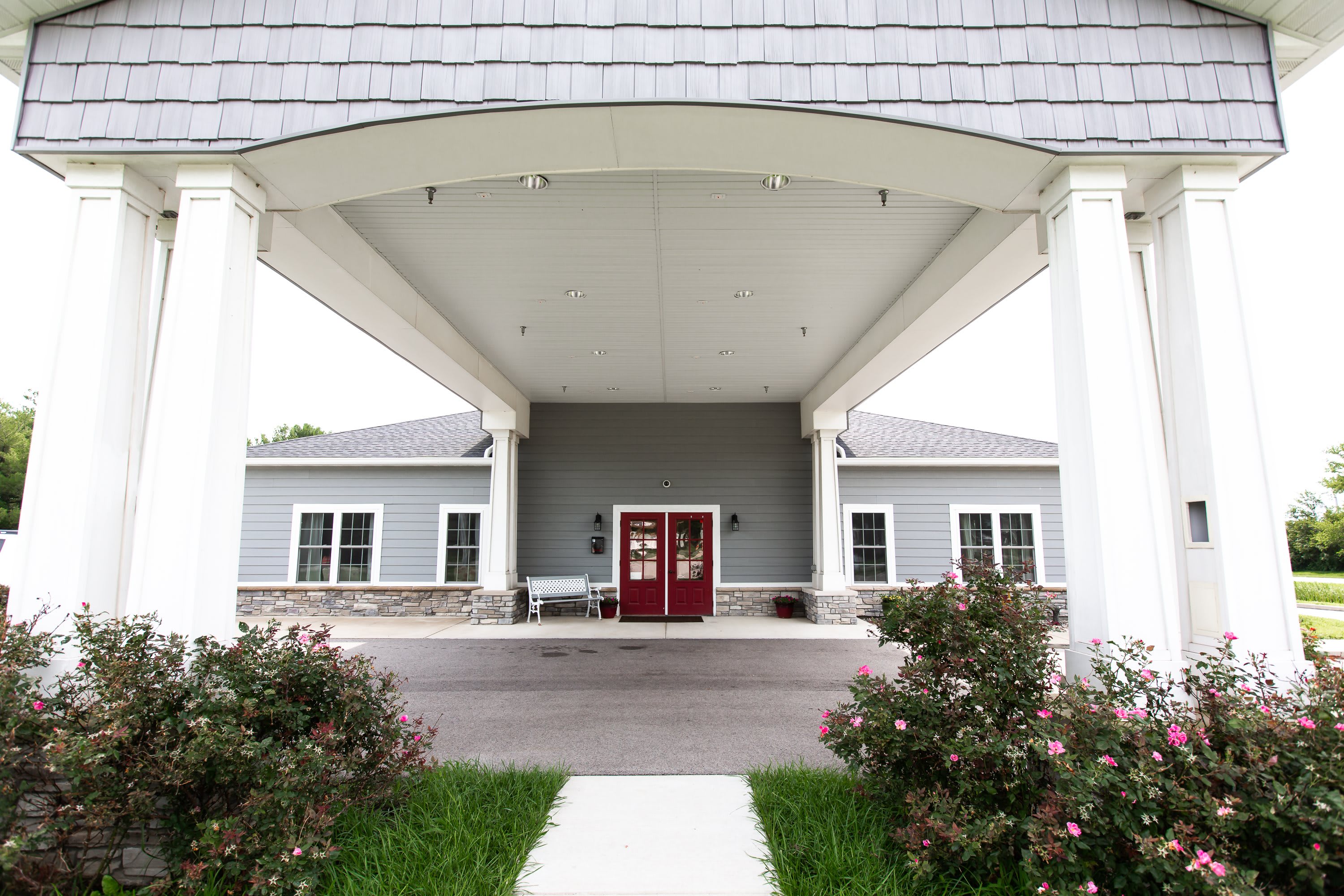
For families dealing with dementia, the environment matters immensely. Traditional memory care units can feel clinical, with long hallways and locked doors that confuse and agitate residents. A cottage-style memory care home, by contrast, uses a familiar floor plan: a living room, a kitchen, a backyard garden. Residents can wander safely without feeling trapped. The staff, often the same faces day after day, learn to read subtle changes in mood and behavior that might go unnoticed in a larger unit.
I have seen residents who were withdrawn in a larger facility become engaged again after moving to a family-run home. One woman who had stopped speaking began humming along to music during an afternoon sing-along. Her daughter told me later that the staff at the previous place had never even known she liked music. That is the kind of detail that emerges when caregivers are present and attentive, not just present.
The Role of the Directory
Finding these homes is not always easy. They do not advertise widely, and many are not listed on the large national directories. That is why a focused directory of family-run assisted living and memory care options in the St Louis area can be so valuable. It helps families compare care options based on what actually matters: size, philosophy, staff continuity, and the feel of the home. When you are making a decision under emotional pressure, having a clear list of vetted possibilities saves time and reduces anxiety.
Practical Considerations
Family-run assisted living is not for everyone. Some residents need a higher level of medical support than a small home can provide. Others may prefer the social stimulation of a larger community. But for many older adults, especially those who are anxious or have early-stage dementia, the comfort of a small home is exactly what they need.
Here are a few things to look for when evaluating a family-run home:
- How long has the family owned the home? Longevity often correlates with stability and community reputation.
- What is the staff-to-resident ratio during overnight hours? In a small home, this can be better than in a large facility.
- How do they handle medical emergencies? Ask about their relationship with local hospice and home health agencies.
- Can they accommodate dietary restrictions or personal preferences? Family-run homes tend to be more flexible with meals.
- Do they offer trial stays? Many will let a resident stay for a weekend to see if it feels right.
These questions are not just about logistics. They get at the heart of what makes family-run assisted living different. The answers reveal whether the home operates on a philosophy of person-centered care or just checks regulatory boxes.

A Personal Closing Thought
The day we moved my aunt into her new home, the owner met us at the door. She showed my aunt to her room, which had a window facing a small garden. She had already put fresh flowers on the bedside table. Later that week, she called me to say my aunt had slept through the night for the first time in months. That call was not part of any protocol. It was just one human being letting another know that everything was okay.
That is the kind of care I wish for every family. It exists, but you have to know where to look. For those willing to explore family-run assisted living in the St Louis area, the search can lead to something rare in senior care: a home that actually feels like home.